Works
All Research-based Sculptural Installation
Doltap, 2026 ︎
Echoes of Return, 2025 ︎︎
Cut-Out Legacy, 2023-2024 ︎︎
Magic Millstone, 2023 ︎︎
Stonehanji, 2023 ︎
Hanji Towers,
2023 ︎
Hanji Experiment,
2022 ︎
Consumption of Heritage Kids, 2021 ︎
Cross: warp and weft, 2020 ︎︎
Still Real, 2020 ︎
Consumption of Heritage, 2018-2019 ︎︎
Transforming Heritage Into Labour, 2018-2019︎
존재를 증거하는 대상, 2018 ︎
The Sculpture, 2017-2018 ︎︎
Beyond the Subject, 2015-2022 ︎
Le Pli, 2011 ︎
Jokduri, 2010 ︎
KKAKK, 2008-2014 ︎
Exhibitions
About
Contact
︎
Works
All Research-based Sculptural Installation
Doltap, 2026 ︎
Echoes of Return, 2025 ︎︎
Cut-Out Legacy, 2023-2024 ︎︎
Magic Millstone, 2023 ︎︎
Stonehanji, 2023 ︎
Hanji Towers,
2023 ︎
Hanji Experiment,
2022 ︎
Consumption of Heritage Kids, 2021 ︎
Cross: warp and weft, 2020 ︎︎
Still Real, 2020 ︎
Consumption of Heritage, 2018-2019 ︎︎
Transforming Heritage Into Labour, 2018-2019︎
존재를 증거하는 대상, 2018 ︎
The Sculpture, 2017-2018 ︎︎
Beyond the Subject, 2015-2022 ︎
Le Pli, 2011 ︎
Jokduri, 2010 ︎
KKAKK, 2008-2014 ︎
Exhibitions
About
Contact
︎
Works
All Research-based Sculptural Installation
Doltap, 2026 ︎
Echoes of Return, 2025 ︎︎
Cut-Out Legacy, 2023-2024 ︎︎
Magic Millstone, 2023 ︎︎
Stonehanji, 2023 ︎
Hanji Towers,
2023 ︎
Hanji Experiment,
2022 ︎
Consumption of Heritage Kids, 2021 ︎
Cross: warp and weft, 2020 ︎︎
Still Real, 2020 ︎
Consumption of Heritage, 2018-2019 ︎︎
Transforming Heritage Into Labour, 2018-2019︎
존재를 증거하는 대상, 2018 ︎
The Sculpture, 2017-2018 ︎︎
Beyond the Subject, 2015-2022 ︎
Le Pli, 2011 ︎
Jokduri, 2010 ︎
KKAKK, 2008-2014 ︎
Exhibitions
About
Contact
︎
Works
All Research-based Sculptural Installation
Doltap, 2026 ︎
Echoes of Return, 2025 ︎︎
Cut-Out Legacy, 2023-2024 ︎︎
Magic Millstone, 2023 ︎︎
Stonehanji, 2023 ︎
Hanji Towers,
2023 ︎
Hanji Experiment,
2022 ︎
Consumption of Heritage Kids, 2021 ︎
Cross: warp and weft, 2020 ︎︎
Still Real, 2020 ︎
Consumption of Heritage, 2018-2019 ︎︎
Transforming Heritage Into Labour, 2018-2019︎
존재를 증거하는 대상, 2018 ︎
The Sculpture, 2017-2018 ︎︎
Beyond the Subject, 2015-2022 ︎
Le Pli, 2011 ︎
Jokduri, 2010 ︎
KKAKK, 2008-2014 ︎
Exhibitions
About
Contact
︎
Works
All Research-based Sculptural Installation
Doltap, 2026 ︎
Echoes of Return, 2025 ︎︎
Cut-Out Legacy, 2023-2024 ︎︎
Magic Millstone, 2023 ︎︎
Stonehanji, 2023 ︎
Hanji Towers,
2023 ︎
Hanji Experiment,
2022 ︎
Consumption of Heritage Kids, 2021 ︎
Cross: warp and weft, 2020 ︎︎
Still Real, 2020 ︎
Consumption of Heritage, 2018-2019 ︎︎
Transforming Heritage Into Labour, 2018-2019︎
존재를 증거하는 대상, 2018 ︎
The Sculpture, 2017-2018 ︎︎
Beyond the Subject, 2015-2022 ︎
Le Pli, 2011 ︎
Jokduri, 2010 ︎
KKAKK, 2008-2014 ︎
Exhibitions
About
Contact
︎
Works
All Research-based Sculptural Installation
Doltap, 2026 ︎
Echoes of Return, 2025 ︎︎
Cut-Out Legacy, 2023-2024 ︎︎
Magic Millstone, 2023 ︎︎
Stonehanji, 2023 ︎
Hanji Towers,
2023 ︎
Hanji Experiment,
2022 ︎
Consumption of Heritage Kids, 2021 ︎
Cross: warp and weft, 2020 ︎︎
Still Real, 2020 ︎
Consumption of Heritage, 2018-2019 ︎︎
Transforming Heritage Into Labour, 2018-2019︎
존재를 증거하는 대상, 2018 ︎
The Sculpture, 2017-2018 ︎︎
Beyond the Subject, 2015-2022 ︎
Le Pli, 2011 ︎
Jokduri, 2010 ︎
KKAKK, 2008-2014 ︎
Exhibitions
About
Contact
︎
Works
All Research-based Sculptural Installation
Doltap, 2026 ︎
Echoes of Return, 2025 ︎︎
Cut-Out Legacy, 2023-2024 ︎︎
Magic Millstone, 2023 ︎︎
Stonehanji, 2023 ︎
Hanji Towers,
2023 ︎
Hanji Experiment,
2022 ︎
Consumption of Heritage Kids, 2021 ︎
Cross: warp and weft, 2020 ︎︎
Still Real, 2020 ︎
Consumption of Heritage, 2018-2019 ︎︎
Transforming Heritage Into Labour, 2018-2019︎
존재를 증거하는 대상, 2018 ︎
The Sculpture, 2017-2018 ︎︎
Beyond the Subject, 2015-2022 ︎
Le Pli, 2011 ︎
Jokduri, 2010 ︎
KKAKK, 2008-2014 ︎
Exhibitions
About
Contact
︎

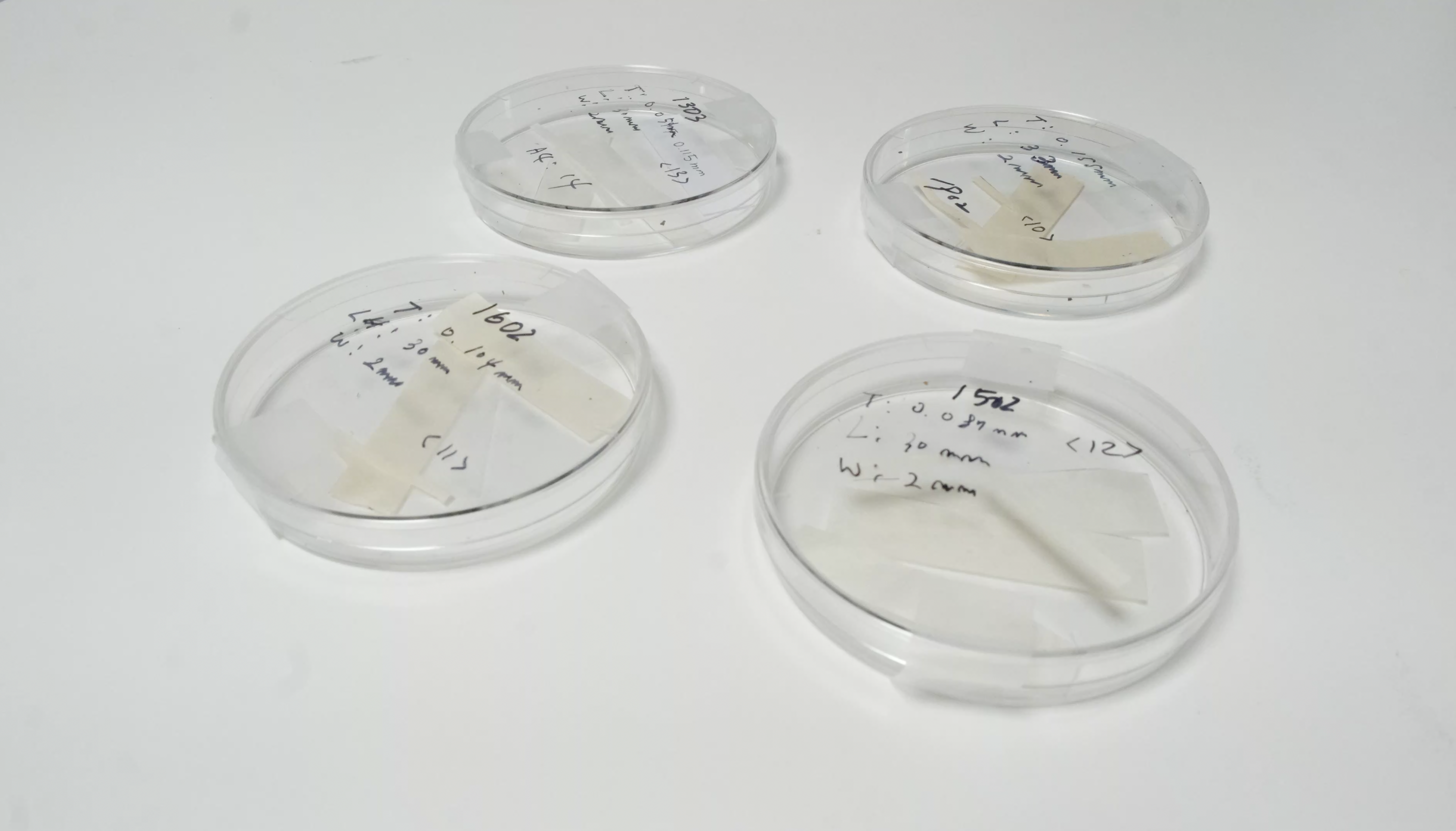


 This project approaches Hanji through a scientific and analytical methodology, developed in collaboration with researchers at KAIST. By investigating its physical properties—such as hydrophilicity, tensile strength, and the internal structure of mulberry fibers—the work examines how material qualities are formed and understood beyond purely technical or aesthetic perspectives.
The research reveals that these properties are not inherent or neutral, but the result of specific making processes, the selection and standardization of materials, accumulated techniques, and repetitive manual labor. The structure of the fibers, the behavior of the material, and its physical resilience are all shaped through historically developed practices that reflect localized knowledge systems and embodied skills.
Through this investigation, Hanji is reframed not as a passive medium, but as a material embedded with historical knowledge, labor, and cultural selection. Rather than approaching tradition as something fixed or to be preserved, the project questions how material knowledge is continuously constructed, interpreted, and institutionalized over time.
By bringing together scientific analysis and craft practice, the work destabilizes the boundaries between material research, cultural history, and artistic production. It positions Hanji as a site where material, knowledge, and value are actively negotiated, revealing the underlying structures through which certain practices are recognized, transmitted, or overlooked within the field of craft.


 Collaboration with Sook Go, Jinyoung Choi
Experiments: Jinyoung Choi, Gan
Hanji paper made by Shin Hyun-se
Photo: Sook Go, Sang Hveon Lee
Film: Sook Go, Sun Lee
Exhibited:
Hanii Culture Center
Seoul, South Korea, November-December 2022
Related work:
Hanji Experiment pH, 2023︎︎︎